

What Are PDO Threads?
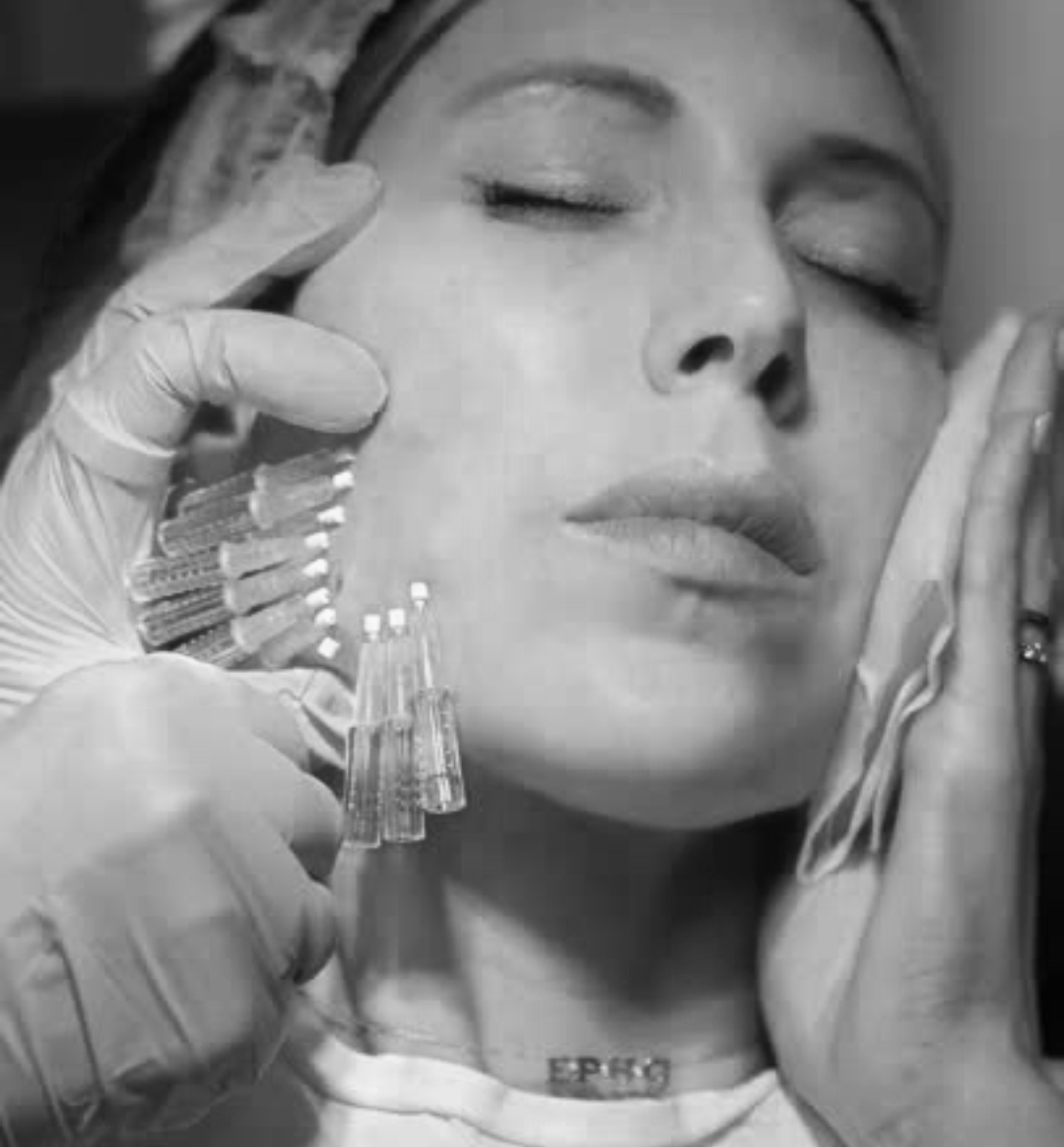
PDO stands for polydioxanone, a synthetic biocompatible material that has been used in surgical sutures for over 40 years. In aesthetic medicine, ultra-fine PDO threads are inserted beneath the skin using a thin cannula, then anchored and tensioned to physically lift and reposition soft tissue that has descended over time.
Over the following three to six months, the threads are absorbed naturally by the body. Before they dissolve, however, they trigger a meaningful increase in collagen production in the surrounding tissue. This means results continue to improve for months after the procedure — not just because of the physical lift, but because the skin itself is becoming structurally stronger from within.
At Melluna, we use PDO Max threads, which are FDA-cleared and among the most advanced PDO thread systems available. Different thread types — barbed threads for lifting, smooth threads for collagen stimulation — are selected based on each patient's anatomy and goals. No two treatment plans look the same.
What Areas Can Be Treated?
PDO threads are highly versatile. At Melluna, we perform thread lift procedures on the cheeks and mid-face, jawline and jowls, neck, brow and lateral brow, nasolabial folds, marionette lines, under-eyes, chin, and temples. Each treatment plan is fully customized. Two patients seeking a jawline lift may require entirely different numbers of threads, different entry points, and different thread types depending on the degree of laxity and their individual anatomy.
What Results Can You Expect?
One of the most appealing aspects of a PDO thread lift is the immediacy of the initial result. You will see a visible lifting effect on the day of your procedure. As the post-treatment inflammation resolves over the first two weeks, results refine further. As collagen production builds over the following months, the improvement continues to deepen.
Full results are typically visible at three months and can last up to two years, making PDO threads one of the longer-lasting non-surgical options available. Many patients return for maintenance threads at the 12 to 18-month mark to sustain their results, and some combine threads annually with neurotoxins and fillers for a consistently natural, maintained appearance.
Is a Thread Lift Right for You?
PDO thread lifts produce the best results in patients who are experiencing early to moderate skin laxity. Ideal candidates are generally in their late 30s through 60s, in good general health, and noticing changes in the jawline, mid-face, or neck that injectables alone have not addressed.
Patients with very significant tissue descent — the kind that has developed over many years — may be better suited to surgical intervention, and a consultation at Melluna will always include an honest clinical assessment of which option is most appropriate for your anatomy. We do not recommend threads when a different approach would serve you better.
PDO threads also pair beautifully with dermal fillers and neurotoxins as part of a coordinated annual plan. Fillers restore volume, neurotoxins address dynamic wrinkles, and threads correct structural descent. Used together thoughtfully, these three treatments deliver a consistently natural result that no single treatment can achieve alone.
What to Expect During and After Treatment
Thread lift procedures at Melluna are performed in-office and typically take 45 to 90 minutes, depending on the number of areas treated. A local anesthetic is used to ensure comfort throughout the procedure. Most patients describe the sensation as pressure rather than significant pain.
Following treatment, mild swelling, tenderness, and occasional puckering of the skin along the thread entry points are normal and typically resolve within three to seven days. Most patients return to their normal routine within a few days — a significant contrast to the two to three weeks of visible recovery associated with a surgical facelift.
At Melluna, we frequently recommend lymphatic drainage therapy in the days following a thread lift to support faster resolution of swelling and produce more refined early results. Patients who add this step consistently note a smoother, more comfortable recovery.
FAQ
Is there significant downtime after a PDO thread lift?
Most patients experience three to five days of mild swelling and tenderness. Visible bruising is possible but not universal. Most patients feel comfortable returning to work and social activities within a few days.
How long does the procedure take?
Typically, 45 to 90 minutes, depending on the number of areas treated and the total number of threads used in your plan.
Can threads be combined with fillers or neurotoxins?
Yes, and this is often the most effective approach. Neurotoxins, fillers, and threads each address different aspects of facial aging. Your provider at Melluna will advise on the best combination and the appropriate sequencing for your specific goals.
How many threads are needed?
This varies considerably by patient. Some patients need four to six threads in a single area; others need 20 or more across multiple areas. Your provider will give you a specific recommendation during your consultation based on your anatomy and goals.
Curious whether a PDO thread lift is right for you? Book a consultation at Melluna in Wilton, CT today.