

Blogs + Updates

GLP-1 Medications and Your Appearance: What Happens to Your Skin and Face During Medical Weight Loss
Combat facial volume loss and skin laxity from GLP-1 weight loss. Discover how Melluna combines semaglutide therapy with Sculptra, fillers, and PDO threads.

Discover Sculptra, Renuva, and PRP/PRF at Melluna. Rebuild natural collagen and restore volume from within for effortless, long-lasting rejuvenation.

The relationship between your internal health and your external appearance is not abstract. It is physiological, measurable, and something the aesthetic medicine world has increasingly come to recognize as central to delivering results that hold up over time. At Melluna in Wilton, CT, we have built our practice around the principle that aesthetic treatments produce better, more durable results when the body receiving them is supported at the systemic level. Here is the clinical reasoning behind our integrative approach, and why patients who engage with both sides of Melluna's menu consistently see outcomes that neither category alone could produce. Lymphatic Drainage: Why Recovery Matters as Much as Treatment The lymphatic system is the body's primary network for fluid regulation, waste clearance, and immune function. Following injectable treatments, PDO thread lifts , or laser procedures , the body responds with localized inflammation as part of the healing process. In most patients, this resolves on its own within a week or two. But when the lymphatic system is sluggish — which is common in patients under significant stress, with disrupted sleep, or who are sedentary — fluid accumulates, results take longer to clarify, and swelling persists longer than it should. Lymphatic drainage therapy is a specialized therapeutic massage technique that stimulates the lymphatic system to move fluid more efficiently, clear post-treatment byproducts, and reduce inflammatory congestion in the treated area. Patients at Melluna who combine lymphatic drainage with their injectables or thread lifts consistently report faster resolution of swelling, more refined results in the days immediately following treatment, and a recovery process that feels considerably more comfortable. Hormone Optimization: The Internal Foundation of Skin Quality Estrogen is one of the primary regulators of skin collagen content, thickness, and moisture retention. As estrogen levels decline during perimenopause and menopause, collagen production slows significantly — skin becomes thinner, less firm, and less able to hold hydration. This process begins years before most women associate it with hormonal change, and it progresses continuously until addressed. No amount of topical skincare or injectable treatment can fully compensate for the loss of endogenous estrogen on skin structure. Dermal fillers restore volume that has been lost. Neurotoxins address dynamic lines. But the underlying quality and resilience of the skin depends significantly on the hormonal environment it exists in. Patients at Melluna who optimize their hormone levels through the Biote Method of BHRT consistently report improvement in skin quality that goes beyond what their aesthetic treatments alone were producing. For patients who are also receiving injectables, fillers, and laser treatments, that hormonal foundation makes every treatment more effective and helps results last longer. Holy Fire Reiki: Supporting the Body's Healing Capacity The relationship between chronic stress and physiological aging is well-documented. Sustained activation of the stress response — elevated cortisol, reduced immune function, impaired cellular repair — accelerates the aging process at the tissue level. Collagen degrades faster. Healing is slower. The skin reflects the body's internal stress state in ways that topical products cannot correct. Holy Fire Reiki is an advanced form of Reiki energy healing that works specifically with the nervous system, guiding the body out of sympathetic activation and into the parasympathetic state where cellular repair, immune function, and regenerative processes operate most efficiently. For patients undergoing regenerative treatments like PDO threads, exosomes, or biostimulators, being in a physiological state that supports healing is not a luxury. It is a factor that directly affects outcomes. Patients at Melluna who incorporate Reiki into their care routine consistently report improved sleep in the days following procedures, a more comfortable recovery experience, and a general sense of restoration that complements their aesthetic results in ways they did not anticipate before trying it. NeuroMyoFascial Therapy: Releasing Deep Structural Tension Fascial tension — the deep connective tissue tightness that accumulates from stress, habitual posture, and unresolved physical strain — affects the face as much as any other part of the body. Chronic jaw tension, neck tightness, and facial holding patterns can subtly affect how the face rests at baseline, how symmetrical aesthetic results appear, and how comfortable patients feel in the area being treated. NeuroMyoFascial therapy uses gentle, nervous-system-informed manual techniques to release these deep restrictions throughout the body. Patients who receive this work in conjunction with aesthetic procedures frequently report that their results sit more naturally, their faces feel less held or uncomfortable, and the improvements from their injectables and laser treatments look more balanced. The Whole-Body Difference At Melluna, we do not require patients to engage with wellness services to achieve excellent aesthetic results. Many patients receive injectables and laser treatments exclusively and are very satisfied with their outcomes. But for patients who notice that results are not lasting as long as expected, that skin quality continues to decline despite consistent treatment, or that they are not feeling the way they want to feel — the wellness side of Melluna's practice frequently holds the answers. When beauty is treated as both a science and a whole-body concern, the results are deeper, more durable, and more consistent over time. That is the Melluna approach. We serve patients from throughout Fairfield County, including Westport, Weston, New Canaan, Darien, Greenwich, Stamford, Norwalk, and Ridgefield. FAQ Do I need wellness treatments to get good aesthetic results? No. Many patients at Melluna receive aesthetic treatments exclusively and are very happy with their results. Wellness treatments tend to enhance and extend those results, but they are not a prerequisite. Can I book a wellness and aesthetic treatment in the same visit? Yes, in many cases. Your provider will advise on the appropriate sequencing for your specific combination of treatments to ensure each one is delivered at the right time for optimal results. What is Holy Fire Reiki exactly? Holy Fire Reiki is an advanced form of Reiki energy healing that focuses on calming the nervous system, releasing energetic and physical holding patterns, and supporting the body's natural healing processes. Sessions are conducted fully clothed and typically last 60 minutes. Ready to experience what a whole-body approach to beauty and wellness can do for you? Book your appointment at Melluna in Wilton, CT today.
If you have never been to a med spa before, it is normal to feel uncertain about what the experience involves. Will you know what to ask for? Will you leave feeling pressured into treatments you are not ready for? What if you are not entirely sure what you need? At Melluna in Wilton, CT, we work with first-time patients every week, and one of the most consistent things they tell us afterward is that they wished they had come sooner. Here is a clear guide to what your first visit to Melluna actually looks like — from before you arrive to after you leave. Before Your Visit: No Preparation Required You do not need to arrive with a specific treatment in mind. You do not need to have spent time researching every product and procedure beforehand. You do not need to know the difference between a biostimulator and a skin booster. What helps: coming with a clean face if possible (skip the heavy foundation), bringing a list of any current medications or supplements, and having a general sense of what has been bothering you — even if you can only describe it vaguely. Statements like "I look tired all the time even when I'm not" or "my jawline doesn't look like it used to" are completely valid starting points for a conversation with your provider. Step One: The Consultation Every new patient at Melluna begins with a thorough consultation. This is not a sales presentation. It is a conversation about your concerns, your goals, your health history, and your lifestyle. Your provider will assess your skin and facial structure, review your history with any previous aesthetic treatments, and discuss what is realistic given your specific anatomy. You will leave the consultation with a clear understanding of what your options are, what each treatment does, and what results you can realistically expect — including what a treatment cannot do, which is equally important information. There is no pressure to proceed with any treatment on the day of your consultation. Many patients book a follow-up appointment after taking time to consider their options. That is expected and entirely welcome. Step Two: Understanding the Full Picture Melluna differs from many med spas in Fairfield County in offering both medical aesthetic treatments and holistic wellness services under one roof. During your consultation, your provider may discuss options beyond injectables — hormone optimization, medical weight loss, lymphatic drainage, or other wellness services — if they seem relevant to your overall goals. You will never be steered toward any service you did not come in considering. But many patients find it valuable to understand the full picture, particularly if some of what they are experiencing — persistent fatigue, unexplained weight changes, mood fluctuations — may have a hormonal or systemic component that aesthetic treatments alone cannot address. Step Three: Your First Treatment If you decide to proceed with a treatment on your first visit, your provider will walk you through every step before it begins. Most of Melluna's most commonly requested first-time treatments — neurotoxins, dermal fillers, and skin boosters — are quick, minimally invasive, and require little to no downtime. Neurotoxin appointments typically take 20 to 30 minutes. Filler appointments run 30 to 60 minutes depending on the areas treated. Before you leave, you will receive detailed aftercare instructions. Your provider's contact is available for any questions that come up in the days following your appointment — a level of access that makes a real difference for patients who are new to these treatments. Step Four: Building Your Ongoing Plan Aesthetic results at their best are not a single event. They are the cumulative outcome of a thoughtful, ongoing maintenance plan. After your first visit, your provider will recommend a follow-up schedule based on the treatment you received and your goals going forward. For neurotoxin patients, this typically means a two-week follow-up to assess results and make any adjustments, then returning for maintenance every three to four months. For filler patients, a two-week follow-up and then maintenance every six to twelve months depending on the product and area. Many patients build a comprehensive plan over time that keeps their results consistent, natural-looking, and appropriate to how their face is changing with age. What Makes Melluna Different From Other Med Spas Near Wilton and Westport Melluna was built around a specific clinical philosophy: aesthetic treatment produces better results when the whole person is considered, not just the area being treated. This means paying attention to a patient's overall health picture, not just the wrinkles on their forehead. It means offering wellness services alongside aesthetic ones because they genuinely complement each other. And it means being honest with patients about what treatments can and cannot do — which is the only foundation for a long-term patient relationship that actually serves them well. If you are looking for a team that takes your goals seriously, explains your options clearly, and builds a plan based on your specific anatomy and health history rather than a one-size-fits-all protocol — Melluna is the right place to start. We serve patients from Wilton, Westport, Weston, New Canaan, Darien, Greenwich, Stamford, and Norwalk. FAQ Should I feel nervous before my first visit? It is completely normal to feel some uncertainty before a first appointment. Our team works with new patients regularly and understands how to make the experience feel comfortable and unhurried. What if I do not know what I want? That is what the consultation is for. You do not need to come in with a treatment plan. Come with your concerns and questions, and your provider will guide the rest of the conversation from there. What age is appropriate for med spa treatments? This depends on the treatment. Neurotoxins are FDA-approved for adults 18 and older. The appropriateness of any specific treatment for any specific patient will be confirmed during your consultation. Ready to take the first step? Book your consultation at Melluna in Wilton, CT
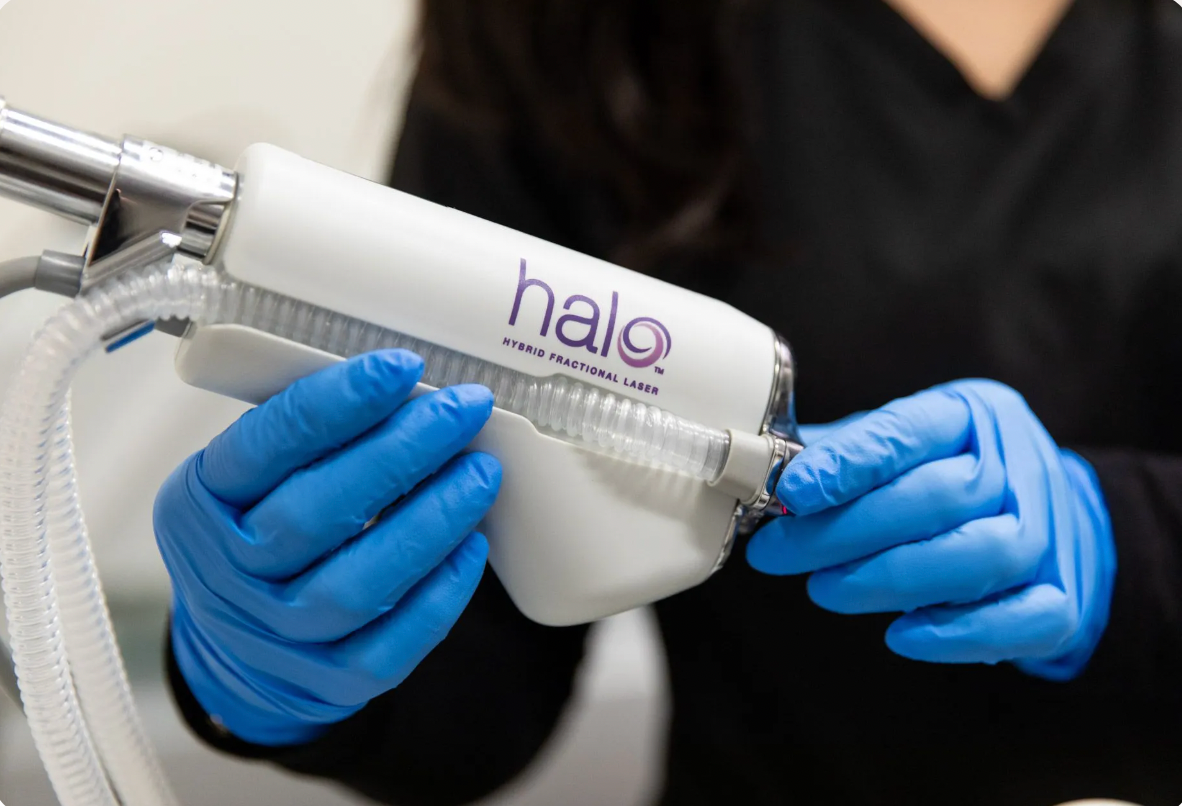
Laser skin resurfacing has been part of aesthetic medicine for decades, and it remains one of the most effective tools available for meaningful skin renewal. But if you have researched your options and found yourself uncertain about the differences between laser types, wavelengths, and what the recovery actually looks like — you are not alone. Understanding the distinction between these technologies matters, particularly when it comes to what you can realistically expect in terms of results and downtime. At Melluna in Wilton, CT, we use the HALO Hybrid Fractional Laser for skin resurfacing. Here is a clear explanation of what distinguishes it from traditional laser treatments and why it has become one of our most requested procedures among patients across Fairfield County. How Traditional Laser Resurfacing Works Traditional laser resurfacing falls into two broad categories: ablative and non-ablative. Ablative lasers — CO2 and Erbium are the most commonly used — work by removing the outer layer of skin entirely, triggering a wound-healing response that generates new, smoother skin underneath. Results can be significant, particularly for deep lines, substantial sun damage, and textural issues that have developed over many years. The tradeoff is real: downtime typically ranges from ten to fourteen days of visible peeling, redness, and sensitivity. There is a meaningful risk of pigmentation changes, particularly in patients with medium to deeper skin tones. The treatment itself is uncomfortable and requires careful management. Non-ablative lasers take a more conservative approach, treating the deeper layers of the skin without removing the surface. Recovery is easier, but the results are more gradual and generally less dramatic than ablative treatments. For years, patients and providers faced a genuine tradeoff: significant results with significant downtime, or mild improvement with minimal recovery. HALO was developed specifically to address that problem. What Makes HALO Different HALO is the first Hybrid Fractional Laser on the market, developed by Sciton — a company with one of the strongest reputations in medical laser technology. It delivers two wavelengths simultaneously in a single treatment pass: one ablative and one non-ablative. Both the surface and the deeper dermal layers are treated at the same time, without requiring two separate procedures. The clinical results of this approach are meaningful. Patients achieve improvements in sun damage, pigmentation irregularities, skin texture, pore size, fine lines, and overall luminosity that are comparable to more aggressive ablative treatments — with recovery time that is far closer to the non-ablative experience. Most HALO patients experience three to five days of peeling and redness, compared to the ten to fourteen days typical of full ablative resurfacing. For patients with active professional and social schedules, this distinction is significant. What HALO Treats HALO is particularly effective for sun damage and pigmentation irregularities, including age spots, brown spots, and the uneven tone that develops from years of sun exposure. It also addresses fine lines and early wrinkles — particularly surface-level lines that do not respond to neurotoxin treatment — as well as enlarged pores, rough texture, overall loss of luminosity, and mild to moderate acne scarring. Because the treatment is customized — your provider selects the depth and energy levels appropriate for your specific skin type and concerns — HALO can be tailored to be effective across a range of skin tones while minimizing the risk of post-inflammatory pigmentation changes that make more aggressive treatments problematic for some patients. What a HALO Treatment at Melluna Looks Like Prior to your treatment, your provider at Melluna will assess your skin thoroughly and design a treatment plan that accounts for your skin type, your specific concerns, and your schedule — including what recovery timeline is realistic for you. On the day of treatment, a topical numbing cream is applied in advance. The procedure itself typically takes 30 to 60 minutes. Immediately after, the skin will appear red and feel warm. Over the following two to five days, the treated skin will shed as new skin surfaces underneath. Within the first week, improvements in tone and texture are already visible. Collagen remodeling continues in the deeper dermal layers for one to three months, so results continue to improve over time. Most patients at Melluna see meaningful results in one to two HALO sessions. Patients with more significant sun damage or textural concerns may benefit from a series of two to three treatments spaced three to six months apart. Melluna serves patients from Wilton, Westport, Weston, New Canaan, Darien, Greenwich, Stamford, and Norwalk. FAQ How much downtime should I plan for after HALO? Most patients experience three to five days of peeling and visible redness. Days two and three are typically the most noticeable. Most patients feel comfortable in public by days four to five with mineral SPF and tinted moisturizer. When will I see results? Initial improvement in tone and pigmentation is visible within the first week. Continued improvement in texture, pore size, and fine lines occurs over one to three months as collagen rebuilds. Many patients describe seeing their best results at six to eight weeks post-treatment. Is HALO safe for all skin types? HALO is designed to be safe and effective across a range of skin tones. Your provider will assess your skin tone and history during your consultation to confirm appropriate settings for your specific situation. How does HALO compare to a chemical peel? HALO penetrates significantly deeper than most chemical peels and produces more dramatic and longer-lasting improvements in skin quality. It is generally considered a more advanced intervention with correspondingly stronger and more durable results. Ready to see what your skin is capable of? Book a HALO laser consultation at Melluna in Wilton, CT today.

When most people search for a med spa in Fairfield County, they are thinking about injectables, lasers, and skin treatments. When they look for a wellness center, they are thinking about something different — stress relief, hormonal support, bodywork, and integrative therapies. Rarely do they expect to find both in the same location, delivered by a team with deep expertise in each. That is exactly what makes Melluna different. How a Traditional Med Spa Operates The conventional med spa model focuses primarily on aesthetic outcomes: reducing wrinkles, restoring volume, resurfacing the skin, and reversing visible signs of aging. The work is evidence-based and capable of producing genuinely impressive results. But in the standard model, treatment is compartmentalized. The face is treated as separate from the body, and the body as separate from what is happening internally. A patient can leave looking significantly better while feeling largely the same — which for many patients is not enough. How a Traditional Wellness Center Operates A holistic wellness center takes a different orientation entirely. The focus is on internal function: stress physiology, hormonal balance, nervous system regulation, lymphatic health, and emotional wellbeing. These are not superficial concerns — they have real, measurable effects on how the body looks and functions. But most wellness centers lack the clinical precision, medical oversight, and specific aesthetic expertise to address what patients see in the mirror. The Melluna Approach At Melluna in Wilton, CT, these two approaches are not in competition. They are designed to support each other — and the clinical reasoning behind that integration is straightforward. Estrogen supports collagen density and skin hydration. Patients undergoing hormone optimization through the Biote Method consistently maintain better skin quality over time than those with declining hormone levels receiving the same aesthetic treatments. Lymphatic drainage following injectables or thread lifts accelerates the resolution of swelling, producing cleaner and more refined early results. A nervous system supported through practices like Holy Fire Reiki heals more efficiently — and because many of our regenerative treatments, including PDO threads, exosomes, and biostimulators, depend on the body's own cellular repair processes, the physiological state of the patient at the time of treatment matters. NeuroMyoFascial therapy addresses the deep fascial tension that accumulates from stress, repetitive movement, and habitual posture. Chronic facial and neck tension can affect symmetry, jaw mechanics, and even how injectables settle in the tissue. Releasing that tension before or alongside aesthetic treatment produces results that look more balanced and feel more comfortable for the patient. What Services Melluna Offers On the aesthetic side, Melluna's menu includes neurotoxins (Botox, Dysport, Minitox), dermal fillers (RHA, Restylane), biostimulators (Sculptra, Radiesse), PDO thread lifts using PDO Max threads, HALO Hybrid Fractional Laser resurfacing, exosome therapy, and advanced skin boosters including PDO AfterGlo and LumEnvy. On the wellness side, Melluna offers bioidentical hormone optimization through the Biote Method, medical weight loss with Semaglutide and Tirzepatide, lymphatic drainage therapy, NeuroMyoFascial therapy, and Holy Fire Reiki. These are not treatments that happen to coexist in the same building. They are designed to compound. Patients who engage with both sides of Melluna's menu consistently report better aesthetic results, faster recovery, and an overall improvement in how they feel that goes beyond what either category alone could deliver. Who Is Melluna For? Melluna is the right fit for patients who have reached the point where surface-level solutions are not giving them everything they want. This might mean someone who has been receiving injectables for years and wants to understand why their skin quality still feels flat. Or someone seeking medically supervised weight loss who wants consistent clinical oversight rather than a prescription and a follow-up questionnaire. Or a patient experiencing mood, sleep, and energy changes they suspect are hormonal but have not yet received adequate answers on. You do not have to engage with every service at Melluna. Many patients focus on a single treatment category for years and are very satisfied with their outcomes. But knowing that the full picture is available — and that the clinical team is trained to see and address the full picture — is itself a meaningful reason to choose Melluna as your provider. Melluna is located in Wilton, CT and serves patients from throughout Fairfield County, including Westport, Weston, New Canaan, Darien, Greenwich, Stamford, Norwalk, and Ridgefield. FAQ Do I have to participate in wellness services to receive aesthetic treatments? Absolutely not. You are always welcome to choose only the services that make sense for your goals. There is no pressure to do more than what you came in for. Where is Melluna located? Melluna is located in Wilton, CT, centrally situated within Fairfield County and convenient to Westport, Weston, Darien, New Canaan, Stamford, and Norwalk. Do you offer consultations before starting treatment? Yes, and we strongly recommend it. A consultation ensures that your provider understands your complete health picture and goals before making any recommendations — and that you leave with a plan that actually makes sense for your specific situation. Ready to experience a different approach to aesthetic care? Book your appointment at Melluna in Wilton, CT today.

Hormones regulate far more than most people realize. Energy, sleep, mood, metabolism, libido, skin thickness, bone density, and muscle mass all depend on hormones functioning within a balanced range. When they fall out of that range, the effects move across every aspect of daily life — and because hormonal decline tends to happen gradually, the symptoms are routinely attributed to stress, aging, or simply not taking care of oneself well enough. At Melluna in Wilton, CT, hormone optimization is one of our most impactful services. It is also one of the most underutilized, because patients frequently do not connect their symptoms to a hormonal cause until a thorough consultation makes the picture clear. Common Signs of Hormone Imbalance in Women The symptom profile for hormonal imbalance in women is wide-ranging, which is part of what makes it difficult to self-identify. The symptoms that bring women to Melluna most often include persistent fatigue that does not improve with adequate sleep, night sweats or hot flashes, decreased libido, unexplained weight gain, particularly around the midsection, difficulty sleeping through the night, mood swings, irritability, brain fog, low mood, anxiety, and thinning or dry skin. Many women experiencing these symptoms are in perimenopause — the transitional phase preceding menopause that can last a decade or more and begins earlier than most people expect, often in the mid-40s and sometimes in the mid-30s. Perimenopause's hormonal fluctuations are frequently more disruptive than the menopause transition itself, and they are chronically underdiagnosed. Common Signs of Hormone Imbalance in Men Testosterone naturally declines beginning in the 30s at a rate of approximately one to two percent per year. By the time a man is in his 40s or 50s, the cumulative decline can produce noticeable effects: low sex drive, persistent fatigue, loss of muscle mass, increased body fat particularly around the abdomen, mood changes, reduced motivation, elevated blood sugar, and difficulty managing stress. These changes are often dismissed as simply getting older — but they have a direct hormonal cause that can be addressed. What Is Bioidentical Hormone Replacement Therapy? Bioidentical Hormone Replacement Therapy, commonly called BHRT, addresses hormone imbalance using hormones that are chemically identical in structure to the hormones your body produces naturally. This distinguishes them from older synthetic hormone formulations, which differed structurally from endogenous hormones and carried a different risk and tolerance profile. BHRT is individualized. Rather than prescribing a standard dose, the process begins with comprehensive lab work to establish your current hormone levels across multiple markers. From there, a treatment is compounded specifically to your body's requirements — not a protocol applied uniformly to every patient. The Biote Method at Melluna At Melluna in Wilton, CT, Lisa Topham, RN, offers the Biote Method of hormone optimization — one of the most clinically respected BHRT protocols available, with a large and growing patient base and an established track record of outcomes. Treatment is delivered through small subcutaneous pellets inserted in-office during a brief, minimally invasive procedure. The pellets dissolve gradually over three to six months, releasing a consistent level of hormone into the bloodstream throughout that period. This is a significant advantage over creams, gels, or daily pills, which create peaks and valleys in hormone levels rather than the steady, physiological delivery the pellet method provides. What Patients Experience Within the first two to four weeks of their first pellet insertion, many patients report markedly improved sleep quality, more consistent energy throughout the day, improved mood and mental clarity, and a return of motivation that had felt absent for years. Over the following months, patients often see improvements in body composition — increased ability to build and maintain muscle, reduced abdominal fat — as well as improved libido, better skin quality, and stronger hair and nails. At Melluna, a number of patients who began with aesthetic treatments have subsequently started hormone optimization and found that their skin quality, recovery from procedures, and overall aesthetic results improved as well. The biology here is straightforward: estrogen is a primary driver of skin collagen density, thickness, and hydration. When estrogen is appropriately replenished, the skin responds. FAQ Do I need a referral to begin hormone optimization? No referral is required. A consultation and comprehensive lab work are all that is needed to get started. How long before I notice a difference? Most patients begin noticing improvements within two to four weeks of their first pellet insertion. Energy and sleep often improve first, followed by mood, libido, and body composition changes over subsequent months as hormone levels stabilize. How often are pellet insertions needed? Women typically return every three to five months. Men typically return every five to six months. Your provider will determine your specific interval based on your lab results and how you respond to treatment. Is BHRT safe? Bioidentical hormones are compounded to match your body's natural hormone structures and are well-tolerated by most patients. Your provider will review your complete health history to confirm candidacy before proceeding. Think hormones may be behind how you have been feeling? Book a hormone consultation at Melluna in Wilton, CT today.
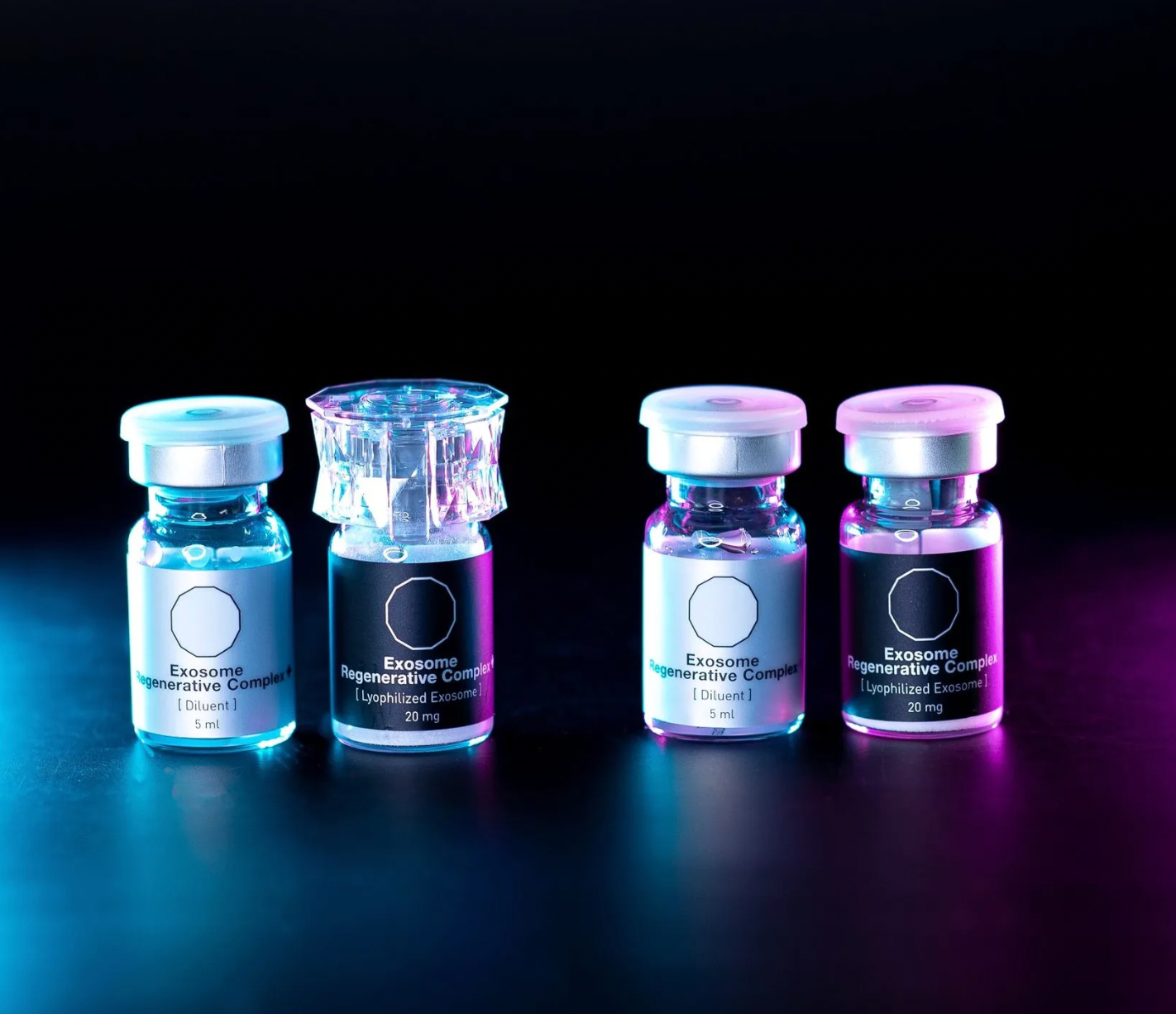
Regenerative medicine has produced some notable advances in aesthetic skin care over the past decade, but few have generated as much clinical interest as exosome therapy. If you have been researching skin rejuvenation options and come across this term, here is a clear explanation of what exosomes are, what they do, and why Melluna in Wilton, CT has made them a core part of our advanced treatment menu. What Are Exosomes? Exosomes are extracellular vesicles — extremely small structures that cells naturally produce and release into the surrounding tissue. Their primary function is cellular communication. They carry proteins, growth factors, microRNA, and other signaling molecules from one cell to another, facilitating tissue repair, immune coordination, and the regulation of collagen and elastin production. In the skin specifically, exosomes act as messengers between fibroblasts (the cells responsible for collagen and elastin), keratinocytes (the cells forming the skin barrier), and immune cells. When skin is aging, damaged, or under chronic environmental stress, this communication system becomes less efficient — fewer repair signals are sent, collagen production slows, and the skin's ability to regenerate itself diminishes. Exosome therapy introduces a concentrated supply of these signaling molecules directly to the skin, effectively restoring the cellular communication that drives healing and renewal. The results are biological rather than mechanical — the skin is not being filled or resurfaced, it is being prompted to repair and rebuild itself. How Are Exosomes Used in Aesthetic Medicine? In clinical settings, exosome treatments are applied topically, most often in conjunction with a procedure that creates microchannels in the skin to facilitate deeper penetration. Microneedling and laser treatments are the most common delivery methods, as both create the controlled surface disruption that allows exosomes to reach and interact with the deeper dermal layers where collagen-producing cells reside. At Melluna in Fairfield County, CT, we offer exosome treatments as both a standalone rejuvenation option and as an add-on to microneedling or HALO laser sessions. The combination approach significantly amplifies the results of the primary procedure, delivering targeted regenerative signals to the tissue at precisely the moment it is most receptive to them. What Benefits Do Exosomes Provide? Patients who receive exosome treatments report improvements across multiple aspects of skin health. Texture and tone improve as fibroblast activity and collagen synthesis increase, producing refinements that become increasingly visible over the weeks following treatment. Fine lines and early wrinkles soften as collagen density builds. Post-procedure healing is noticeably accelerated, with reduced redness and inflammation lasting a shorter time after laser or microneedling sessions. Overall radiance and hydration improve as cellular communication supports better moisture retention and more even light reflection. And in patients with sun damage, acne scarring, or post-inflammatory pigmentation, the regenerative signaling in exosomes supports meaningful tissue repair over time. Who Is a Candidate for Exosome Treatment? Exosome therapy is appropriate for a wide range of patients. People in their 30s, 40s, 50s, and beyond who are experiencing early to moderate effects of skin aging — dullness, fine lines, uneven texture, or post-sun damage — are strong candidates. Patients who have undergone more aggressive procedures and want to support their recovery are also excellent candidates. Exosome treatments are particularly suited to patients who prefer a science-based, restorative approach and want results that build over time rather than relying on surface correction alone. They are a good option for patients who want to maximize the results of their other treatments, not just add another procedure to their schedule. Exosome Therapy at Melluna At Melluna in Wilton, CT, the exosome products used in our treatments are rigorously sourced and tested for purity and potency. During your consultation, your provider will assess your skin and determine whether exosomes are best used as a standalone treatment, layered with microneedling, or incorporated into your HALO laser session. The recommendation will be based on your skin's actual condition and your goals — not a standard protocol applied to everyone. Melluna sees patients from throughout Fairfield County, including Westport, Weston, New Canaan, Darien, Greenwich, Stamford, Norwalk, and Ridgefield. FAQ Are exosome treatments safe? Yes. The exosome products used in aesthetic medicine are derived from rigorously tested, well-sourced preparations. Your provider will review your health history and skin condition before recommending treatment. How many sessions are needed? Many patients see meaningful improvement after a single session, particularly when exosomes are combined with microneedling or laser. A series of two to three treatments spaced four to six weeks apart is often recommended for more significant concerns such as scarring or extensive sun damage. How long do results last? Because exosome therapy supports the skin's own regenerative processes rather than adding a temporary substance, results tend to be progressive and lasting. Most patients find their results continue to improve for several months following treatment and persist well beyond what surface-level treatments deliver. Can exosomes be combined with other treatments? Yes, and this is often how they produce their best results. Exosomes pair particularly well with microneedling, HALO laser resurfacing, and PDO threads. Interested in experiencing what exosome therapy can do for your skin? Book a consultation at Melluna in Wilton, CT today.
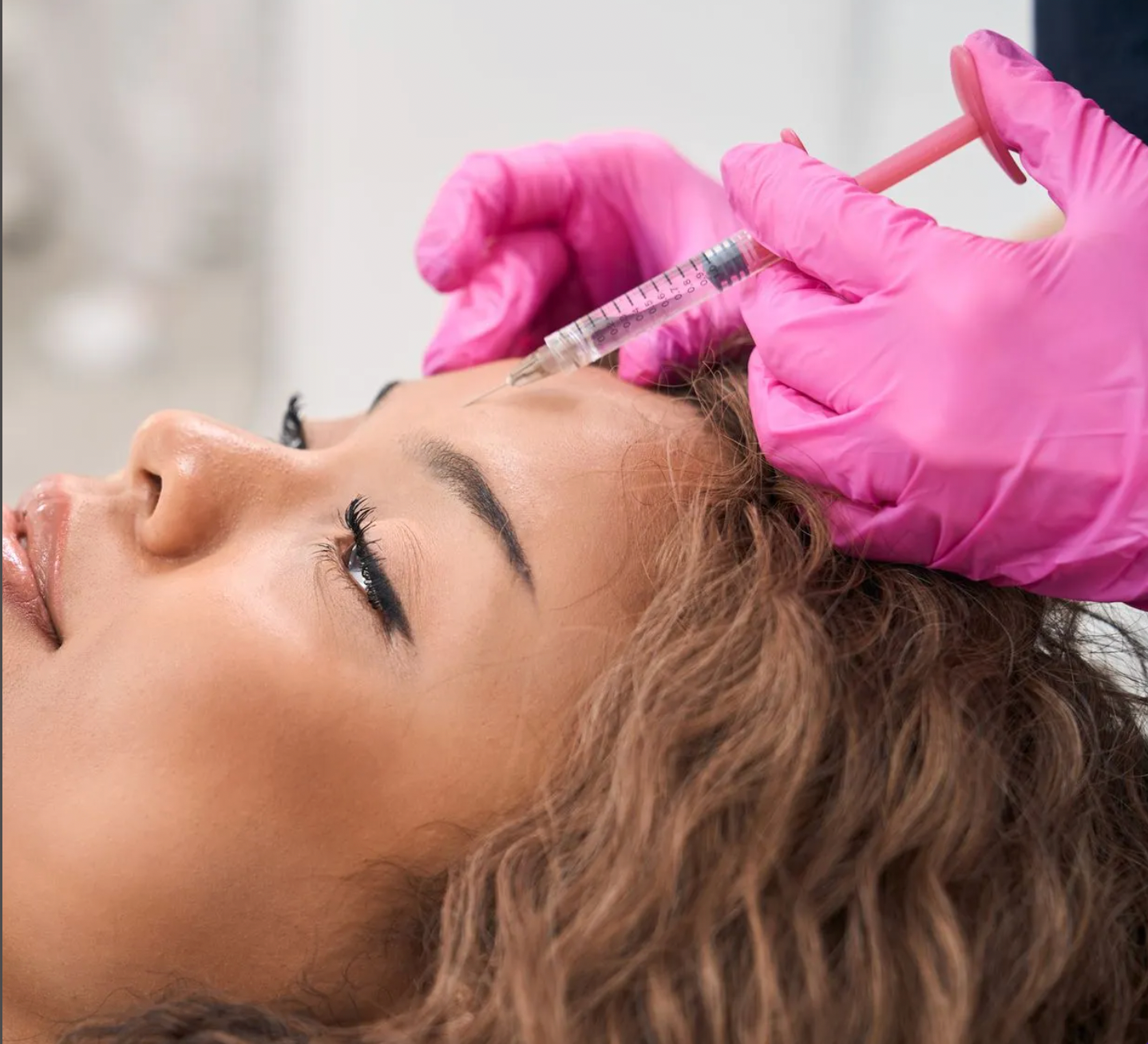
One of the most common questions our team hears at Melluna in Wilton, CT is: can I do more than one treatment? The answer, in most cases, is yes — and doing so thoughtfully, choosing the right treatments in the right sequence, typically produces results that are noticeably better than any single treatment can achieve on its own. The face ages in multiple dimensions simultaneously. Muscles create dynamic wrinkles. Volume depletes from the cheeks and under-eye area. Structural support weakens at the jawline. Skin texture and quality decline at the surface. No single treatment addresses all of these at once. A well-constructed plan does. Here is how the team at Melluna approaches building a comprehensive aesthetic plan — and why the order of treatment matters as much as the treatments themselves. Step One: Address Muscle Activity With Neurotoxins Neurotoxins — Botox, Dysport, and Minitox — are almost always the starting point of any comprehensive aesthetic plan, and for practical reasons. Dynamic wrinkles, meaning wrinkles caused by repeated muscle movement, cannot be corrected by fillers or lasers. They require neurotoxin treatment to relax the underlying muscle and prevent the lines from deepening further. Beyond wrinkle treatment specifically, neurotoxins set the stage for every other treatment. When underlying muscle movement is controlled, dermal fillers placed in the same area stay in position longer and maintain their shape more reliably. Laser and skin-quality treatments look better on a face with softened movement patterns. Starting here creates a more stable foundation for everything else. Neurotoxin appointments at Melluna typically take 20 to 30 minutes, require no downtime, and results last three to four months. Step Two: Restore Volume and Structure Once dynamic movement is addressed, volume loss becomes both more visible and more addressable. Hyaluronic acid fillers like RHA and Restylane add immediate hydration, softness, and contour to areas that have thinned or descended over time — the lips, cheeks, nasolabial folds, under-eye area, and jawline are the most common treatment areas. For patients who prefer a more gradual, longer-lasting structural improvement, biostimulators like Sculptra and Radiesse are excellent options. Rather than adding volume directly, these products stimulate the body to produce its own collagen over time. Results build over two to three months and can last up to two years — making them a genuinely worthwhile investment for patients thinking about their results over the long term. Many patients at Melluna use both: hyaluronic acid fillers for immediate correction in targeted areas and biostimulators as a longer-term investment in the underlying structure of the face. The two approaches complement each other well. Step Three: Improve Skin Quality Beautifully positioned features still need high-quality skin to look their best. Addressing surface texture, tone, pigmentation, and hydration is the third pillar of a complete aesthetic plan — and one that patients often delay too long before addressing. At Melluna, this is where HALO Hybrid Fractional Laser resurfacing, exosome therapy, and advanced skin boosters come in. HALO treats sun damage, enlarged pores, fine lines, and uneven pigmentation with significantly less downtime than traditional ablative laser resurfacing. Exosomes, applied in conjunction with microneedling or laser procedures, amplify cellular renewal and collagen production. Skin boosters like PDO AfterGlo and LumEnvy deliver deep hydration at a cellular level, giving the skin a natural luminosity that makes all other treatments look better. How to Sequence Your Treatments Order matters in aesthetic medicine. In most cases, neurotoxins and fillers are performed first, followed by skin quality treatments once the injectables have settled. Laser treatments are typically scheduled separately from injectable appointments to allow healing time and avoid interfering with recently placed filler. Your provider at Melluna will lay out the specific timing for your individual plan. Many patients find that a quarterly visit cadence keeps all of their treatments current: neurotoxins every three to four months, fillers at six to twelve months depending on the product, and a laser or skin booster treatment seasonally. This rhythm sustains consistent results without the experience of treatments wearing off entirely before being restarted. Building a Plan That Fits Your Life and Budget A comprehensive aesthetic plan does not require doing everything at once, and it should not. Many patients at Melluna start with a single treatment and build their plan over time as they see results and clarify their goals. Others come in with a clear list of priorities and want a fully mapped-out roadmap from day one. Both approaches are completely valid. What matters is that the treatments you choose make sense for your specific anatomy, your goals, and your lifestyle — not that you follow any particular protocol. Melluna serves patients from throughout Fairfield County, including Westport, Weston, New Canaan, Darien, Greenwich, Stamford, Norwalk, and Ridgefield. FAQ Can I do multiple treatments in one visit? In many cases, yes. Neurotoxins and certain fillers are commonly performed on the same day. Your provider will advise on the safest and most effective combination for your specific appointment and goals. What is a good starting combination for someone new to aesthetics? A common starting point is neurotoxins for the forehead and eye area plus one targeted filler area — such as the lips or cheeks. This addresses the most visible changes first and gives you a clear picture of your results before expanding your plan. How often should I come in for maintenance? Most patients find a quarterly schedule works well for neurotoxins. Filler and biostimulator maintenance is typically needed every six to twelve months, depending on the product and area treated. Your provider will give you a specific recommended schedule after your first appointment. Ready to build your personalized aesthetic plan? Book a consultation at Melluna in Wilton, CT.
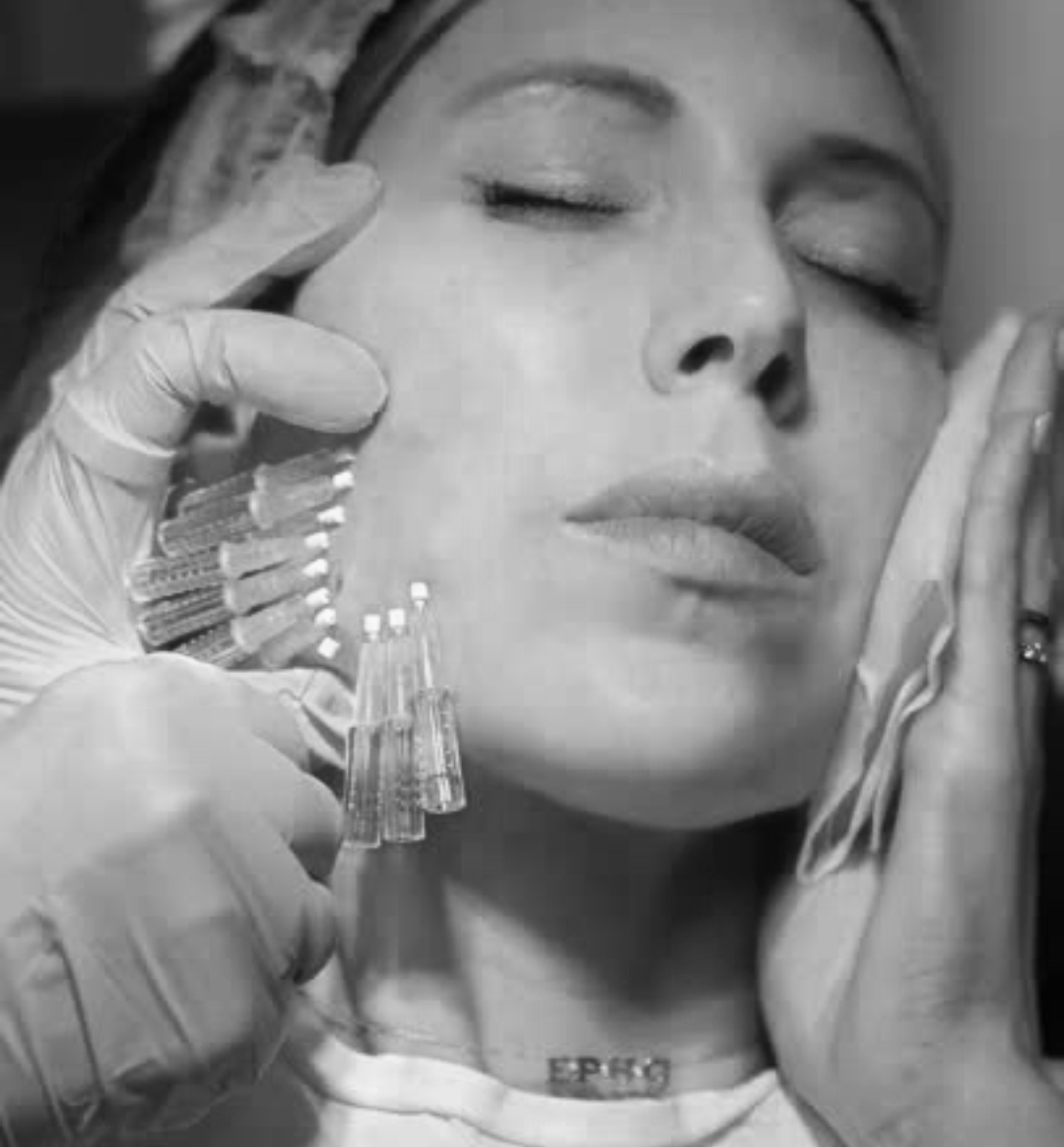
PDO stands for polydioxanone, a synthetic biocompatible material that has been used in surgical sutures for over 40 years. In aesthetic medicine, ultra-fine PDO threads are inserted beneath the skin using a thin cannula, then anchored and tensioned to physically lift and reposition soft tissue that has descended over time. Over the following three to six months, the threads are absorbed naturally by the body. Before they dissolve, however, they trigger a meaningful increase in collagen production in the surrounding tissue. This means results continue to improve for months after the procedure — not just because of the physical lift, but because the skin itself is becoming structurally stronger from within. At Melluna, we use PDO Max threads, which are FDA-cleared and among the most advanced PDO thread systems available. Different thread types — barbed threads for lifting, smooth threads for collagen stimulation — are selected based on each patient's anatomy and goals. No two treatment plans look the same.