

GLP-1 Medications and Your Appearance: What Happens to Your Skin and Face During Medical Weight Loss
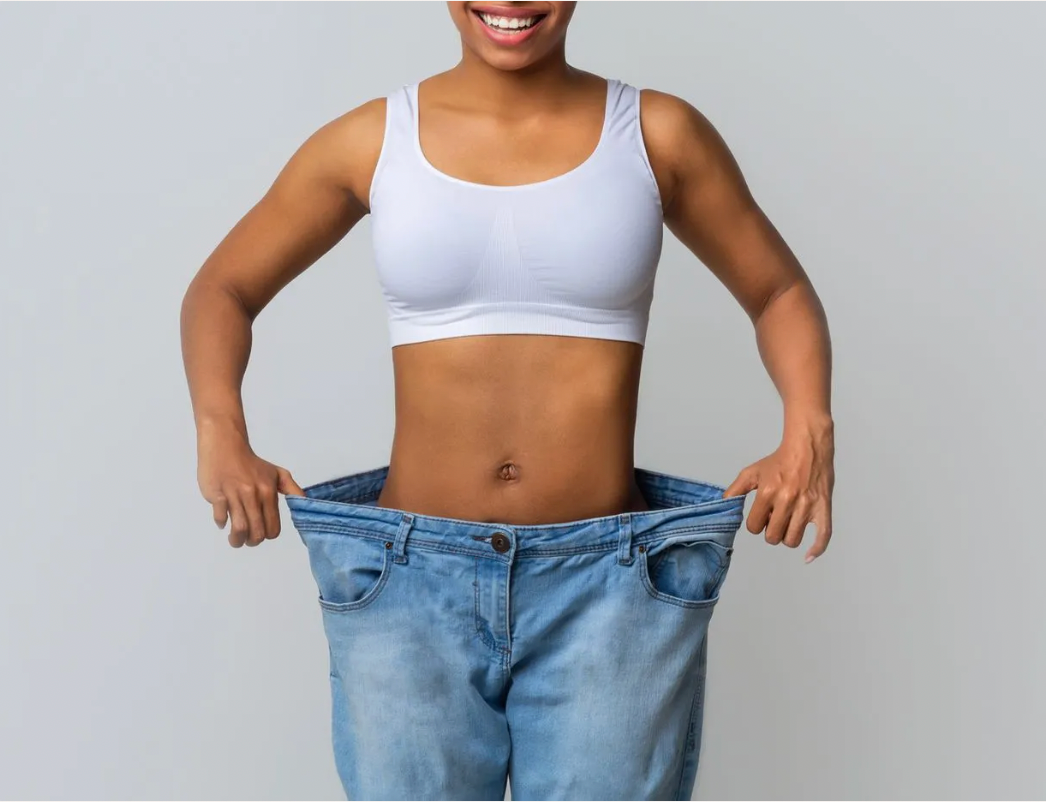
GLP-1 receptor agonist medications, including semaglutide (Ozempic, Wegovy) and tirzepatide (Mounjaro, Zepbound), can cause noticeable changes to facial appearance during weight loss. Rapid fat loss, including in the face, can result in hollowing around the temples and cheeks, increased skin laxity, and a loss of the structural volume that gives the face a youthful appearance.
This phenomenon is sometimes called "Ozempic face." The changes are not caused by the medication itself but by the fat loss it produces. They can be addressed with aesthetic treatments including biostimulators such as Sculptra and Renuva, dermal fillers, PDO thread lifts, and skin-tightening procedures.
Medical providers recommend combining GLP-1 therapy with adequate protein intake, strength training, and where appropriate, aesthetic support to maintain facial quality during the weight loss journey. GLP-1 receptor agonist medications, specifically semaglutide and tirzepatide (the active ingredients in Ozempic, Wegovy, Mounjaro, and Zepbound), have fundamentally changed what is achievable for patients who have struggled to lose weight through lifestyle measures alone. The results, for many patients, are genuinely life-changing.
But as these medications have become widespread, a pattern has emerged that many patients were not fully prepared for: significant changes in facial appearance during and after weight loss. At Melluna in Wilton, CT, we offer both medical weight loss with semaglutide and tirzepatide and a full menu of aesthetic treatments, which means we are well positioned to help patients navigate this transition thoughtfully. Here is what you need to understand about what happens to your face and skin during medical weight loss, and what your options are.
Why Facial Changes Happen During GLP-1 Weight Loss
The face is not immune to the effects of weight loss. The fat distributed across multiple compartments in the cheeks, temples, under-eye area, and jawline provides much of the structural volume that creates a youthful facial contour. When you lose weight, you lose fat throughout the body, and the face is included. The faster the weight loss, the more pronounced this effect tends to be.
This is not a new phenomenon. It has been observed with any significant weight loss, whether through surgery, medication, or lifestyle change. What is notable about GLP-1 medications is the pace and degree of fat loss they can produce, which can make the facial changes more abrupt and more pronounced than patients anticipate.
The result, sometimes called "GLP-1 face" or "Ozempic face," is not caused by the medication acting directly on the skin or face. It is caused by the fat loss itself: hollowing in the temples and cheeks, increased visibility of bony structures, and skin that was previously supported by volume now sitting on a smaller framework. Some patients describe the effect as gaunt or older-looking, despite feeling healthier and more energetic than they have in years.
Skin laxity, meaning looseness of the skin that develops when there is less volume beneath it to keep it taut, can also become more visible, particularly in the lower face, the jowl area, and the neck. This is a natural consequence of significant volume reduction and occurs independently of how long the medication has been used.
What Happens to Skin Quality on GLP-1 Medications
Beyond volume loss, some patients also notice changes in skin quality during their weight loss journey. This is most often related to nutritional factors, specifically inadequate protein intake, which compromises the body's ability to maintain collagen production and skin integrity. The medication itself is generally not the cause.
GLP-1 medications work in part by suppressing appetite significantly. When total food intake drops, so does protein consumption for many patients, unless they are consciously working to maintain it. Protein is the primary building block of collagen, elastin, and the structural proteins that keep skin firm and healthy. A protein deficit during rapid weight loss accelerates the loss of skin tone and contributes to a dull, compromised skin appearance.
This is why patients at Melluna who are on our medical weight loss program receive guidance not just on the medication protocol but on nutritional support, particularly protein targets, to protect skin quality throughout the weight loss journey.
Addressing GLP-1 Facial Changes: What Works
The good news is that the facial changes associated with GLP-1 weight loss are treatable. The approach depends on the type and severity of change the patient is experiencing.
For patients experiencing primarily volume loss, including hollowing in the temples, cheeks, or under-eye area, the two most effective approaches are biostimulators and dermal fillers. Sculptra is particularly well-suited to patients who have experienced gradual, diffuse facial deflation, as it stimulates the body's own collagen production and rebuilds structural volume over time. Renuva, which uses an adipose matrix to encourage the body to regenerate its own fat tissue, is another strong option for patients whose primary concern is fat compartment depletion. For more immediate and targeted volume restoration, hyaluronic acid dermal filler can address specific hollows and contour concerns.
For patients experiencing skin laxity, particularly in the lower face, jowl area, and neck, PDO thread lifts offer a non-surgical lifting and tightening option that can meaningfully improve the position and firmness of the tissue. HALO laser resurfacing and BBL HEROic treatments improve overall skin quality, tone, and texture, helping the skin look healthy and luminous regardless of the structural changes beneath it. Exosomes, a cutting-edge regenerative treatment, can further support skin renewal and collagen production.
For patients experiencing more diffuse changes in skin quality related to protein deficit and the metabolic demands of rapid body change, treatments like lymphatic drainage therapy, which supports circulation and recovery, and hormone optimisation, which addresses the hormonal contribution to skin quality, can both meaningfully improve how the skin looks and feels. A consistent medical-grade topical skincare routine is also an important part of maintaining skin health throughout the process.
Planning Your Aesthetic Support Before, During, and After Weight Loss
Timing matters. Patients who are actively losing weight rapidly are generally not ideal candidates for large-volume filler treatments, since the target area may continue to change as weight loss continues. In these cases, a phased approach works best: beginning with treatments that support skin quality and structure during the weight loss phase, then addressing volume restoration once weight has stabilised. This sequencing tends to produce better, more durable results.
Your provider at Melluna will work with you to develop a plan that aligns your aesthetic support with the timeline of your weight loss journey. The goal is for you to look and feel well at every stage, not just at the end.
Melluna serves patients from throughout Fairfield County, including Westport, Weston, New Canaan, Darien, Greenwich, Stamford, Norwalk, and Ridgefield.
Frequently Asked Questions
What is "Ozempic face" or "GLP-1 face"? These terms refer to changes in facial appearance that occur during significant weight loss on GLP-1 medications like semaglutide or tirzepatide. They typically include hollowing of the temples and cheeks, loss of facial volume, increased skin laxity, and a more gaunt appearance. The changes are caused by fat loss, not by the medication directly acting on the face.
Does semaglutide age your face? Semaglutide itself does not accelerate facial aging. However, the fat loss it produces can result in volume reduction in the face, which can create an aged appearance if not addressed. With appropriate aesthetic support and nutritional guidance, most patients can achieve their weight loss goals while maintaining a healthy, refreshed facial appearance.
When is the best time to have aesthetic treatments during GLP-1 weight loss? It depends on the treatment. Skin quality treatments such as laser, BBL HEROic, or exosomes can be beneficial throughout the weight loss journey. Volume restoration with fillers or biostimulators is generally best timed once weight has stabilised, so that results are placed on a consistent anatomical target. Your provider at Melluna will help you develop a sequenced plan.
Can PDO threads help with the skin laxity caused by weight loss? Yes. PDO thread lifts can lift and tighten loose skin in the lower face, jowl area, and neck, all areas commonly affected by significant weight loss. They are a minimally invasive, non-surgical option that produces meaningful visible improvement in skin position and firmness.
I am on semaglutide and my skin looks dull. What can I do? Skin dullness during medical weight loss is often related to protein intake, hydration, and the overall metabolic demands of rapid body change. Increasing protein intake, staying well hydrated, and using a consistent medical-grade topical skincare routine can make a significant difference. Treatments like exosomes, HALO laser, and BBL HEROic can further improve skin luminosity and quality. Your Melluna provider can assess your skin and recommend the most appropriate approach.
Does Melluna offer semaglutide or tirzepatide? Yes. Melluna offers medical weight loss with semaglutide and tirzepatide injections, supervised by a board-certified nurse. Eligible patients receive a thorough medical assessment and ongoing support throughout their programme. Because Melluna also offers a full range of aesthetic treatments, patients can receive coordinated care that supports both their weight loss goals and their appearance throughout the journey.
Ready to explore medical weight loss and aesthetic support at Melluna?
Book your consultation today.